

How Yon-Ka Paris Turned Post-Purchase Into a Premium Client Experience

Yon-Ka Paris runs post-purchase monetization without a single discount code. Offers are framed as gifts rather than markdowns, which reached a 15+% click-through rate and $40k-45k per 100k transactions while keeping a full-price purchase feeling like one.
About Yon-Ka Paris
Yon-Ka Paris has been crafting professional-grade skincare in France since 1954. Their formulas are built on phyto-aromatic science: essential oils, plant activities, and decades of clinical refinement. Trusted by spas and aestheticians worldwide, not because of marketing budgets, but because the products work and the professionals who use them know it.
Their e-commerce customer is not an impulse buyer. She has likely consulted her aesthetician, read ingredient breakdowns, and compared formulations before she commits. She pays full price because she understands what she is buying. That relationship between brand and customer is the result of 70 years of earned trust.
Raphael oversees e-commerce for Yon-Ka Paris. When he reached out about post-purchase monetization, the conversation was not about adding a revenue line. It was about whether we could do it without breaking something that had taken a long time to build.
The Challenge: Luxury Brands Cannot Afford to Feel Cheap
Most post-purchase monetization tools were designed for value-oriented DTC brands. Discount codes, generic third-party ads, coupon-style overlays. Those mechanics work in certain contexts. They do not work when your customer just spent $120 on a face serum.
Raphael was explicit from the first conversation. Two things had to be true for this to work:
Traditional post-purchase offers look like coupons. The visual language, the framing, the urgency tactics, all of it signals discount culture. For Yon-Ka, that is not neutral. It actively undercuts the premium purchase the customer just completed. If the thank-you page feels like a clearance aisle, the customer starts to wonder if she overpaid.
Yon-Ka's customers are deliberate buyers. They research ingredients, consult their aesthetician, and read reviews before they commit. An impulsive flash offer does not match how they shop. Anything on that page had to feel curated, not algorithmic.
The Framing That Changed Everything: Gift vs. Coupon
Early in our conversations with Raphael, it became clear that the product mechanic mattered less than the presentation layer. The reframe was simple: we were not putting a coupon on the thank-you page. We were delivering a gift.
A coupon implies you need to be incentivised to return. A gift implies the brand is grateful you came. A coupon trains customers to wait for discounts. A gift reinforces that they made the right choice at full price. Raphael understood this immediately.

“My priority is always the customer experience. I did not want to put something on our thank-you page that felt like a coupon or made our customers feel like they were being marketed to the moment they finished checking out. The gift framing was exactly right and it felt like a natural extension of how we treat our clients, not an add-on.”
What We Deployed
We configured the post-purchase experience specifically for Yon-Ka's audience. The offer curation, the reward framing, and the design aesthetic were all built around what we understood about who shops at Yon-Ka and what they respond to.
Store credits positioned as a client appreciation gesture, not a retention mechanism. No countdown timers. No urgency tactics. 39 rewards disbursed in the first week. $611 in incremental Yon-Ka sales already driven back through the door.
Every offer passed a brand congruence check. Wellness, self-care, elevated lifestyle. Nothing that signaled discount culture, nothing that competed with Yon-Ka's positioning. Raphael set the parameters on day one and we held them throughout.
The offer unit was styled to feel native to the Yon-Ka post-purchase page. Restrained and unhurried. The visual language matched what a Yon-Ka customer expects when she is already in a premium frame of mind.
What Resonated With Yon-Ka Customers
One of the things I find most valuable about each deployment is what we learn about a brand's specific audience. For Yon-Ka, three offers performed clearly above the rest.
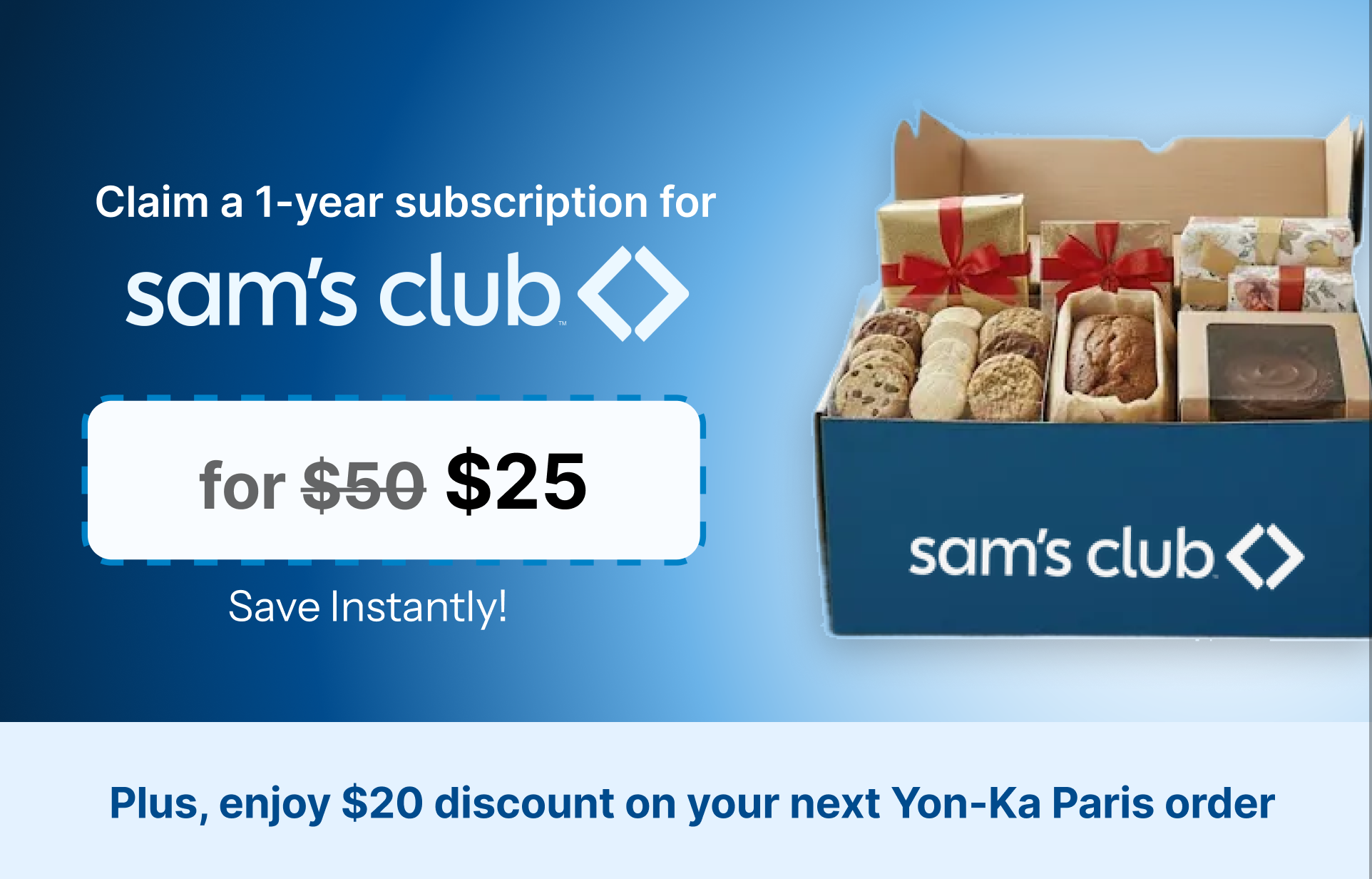
Sam's Club Membership
Value-oriented membership for intentional shoppers. Yon-Ka customers are not discount-seekers, but they are smart shoppers who make deliberate decisions. A membership that rewards planning and considered purchasing aligns with how they approach spending generally.
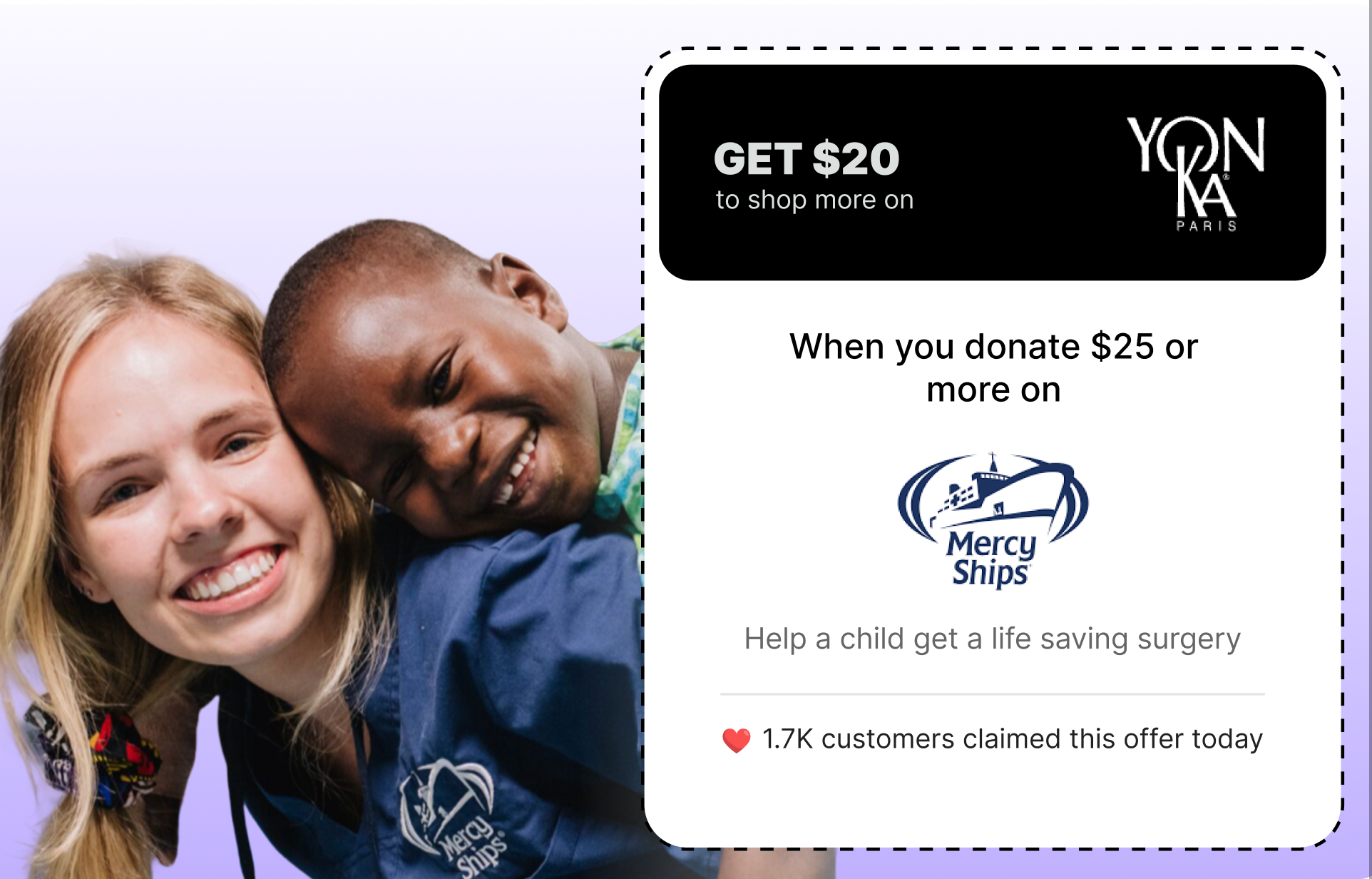
Mercy Ships
Cause-driven donation offer. A customer who has invested in professional-grade skincare and takes care of herself often also cares deeply about taking care of others. Values-driven brands unlock this category in a way generic brands do not, and Yon-Ka unlocked it clearly.
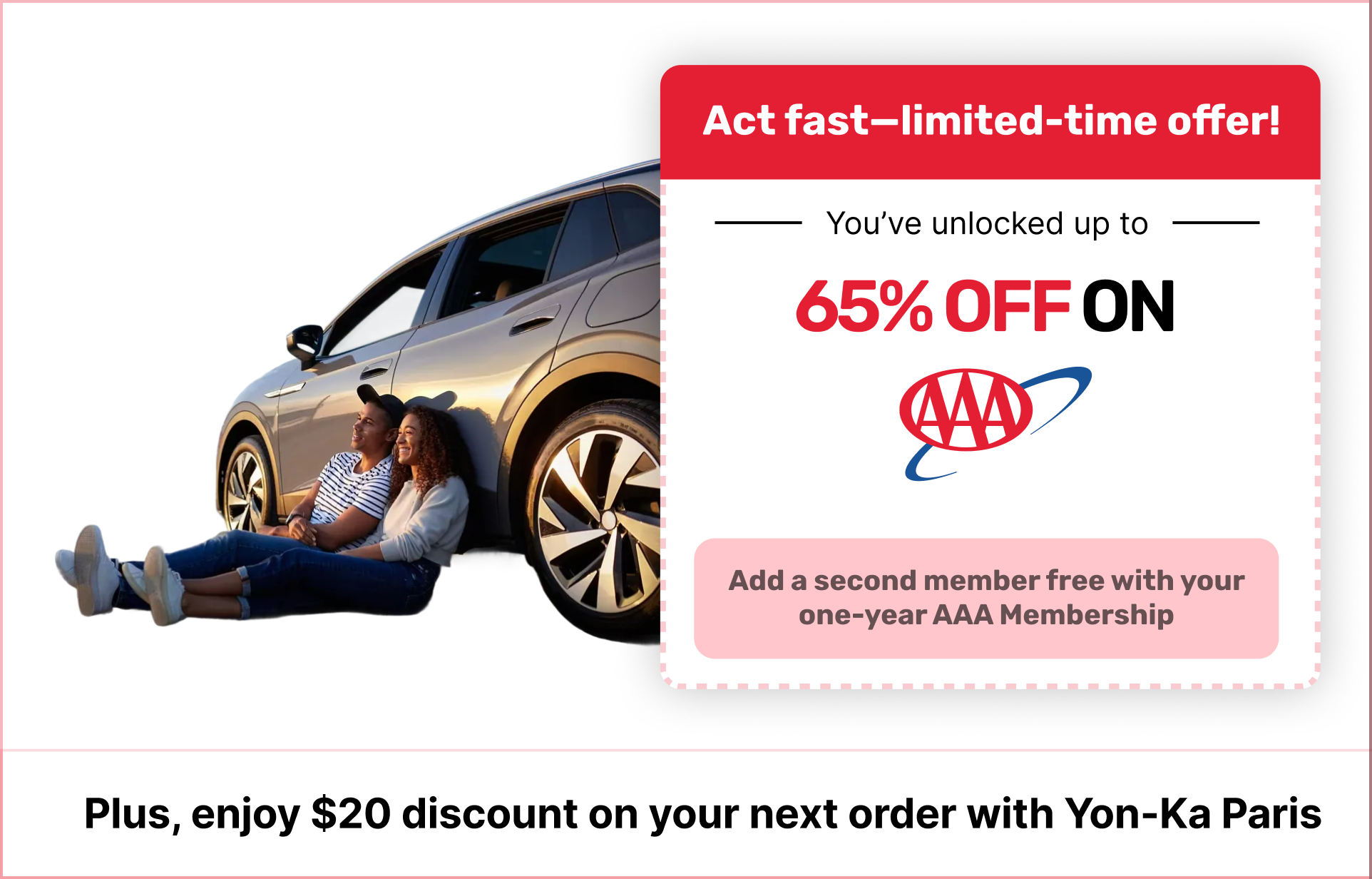
AAA Membership
Premium lifestyle membership with broad utility. AAA resonated because it maps cleanly onto the Yon-Ka customer profile: someone who values reliability, quality service, and practical benefits she will actually use. No urgency required.
The pattern across all three is coherent. Yon-Ka customers respond to offers that feel smart, considered, and either community-oriented or practically valuable. When the offer matches who the customer is, she engages. When it does not, she remembers.
Geographic Engagement
This is one of my favorite parts of working with Pier39 AI customers. The dashboard surfaces statewise performance data in real time, and sometimes the findings genuinely surprise people. Yon-Ka was one of those cases.
We assumed, as most people do, that engagement would concentrate in the larger markets. It did not.
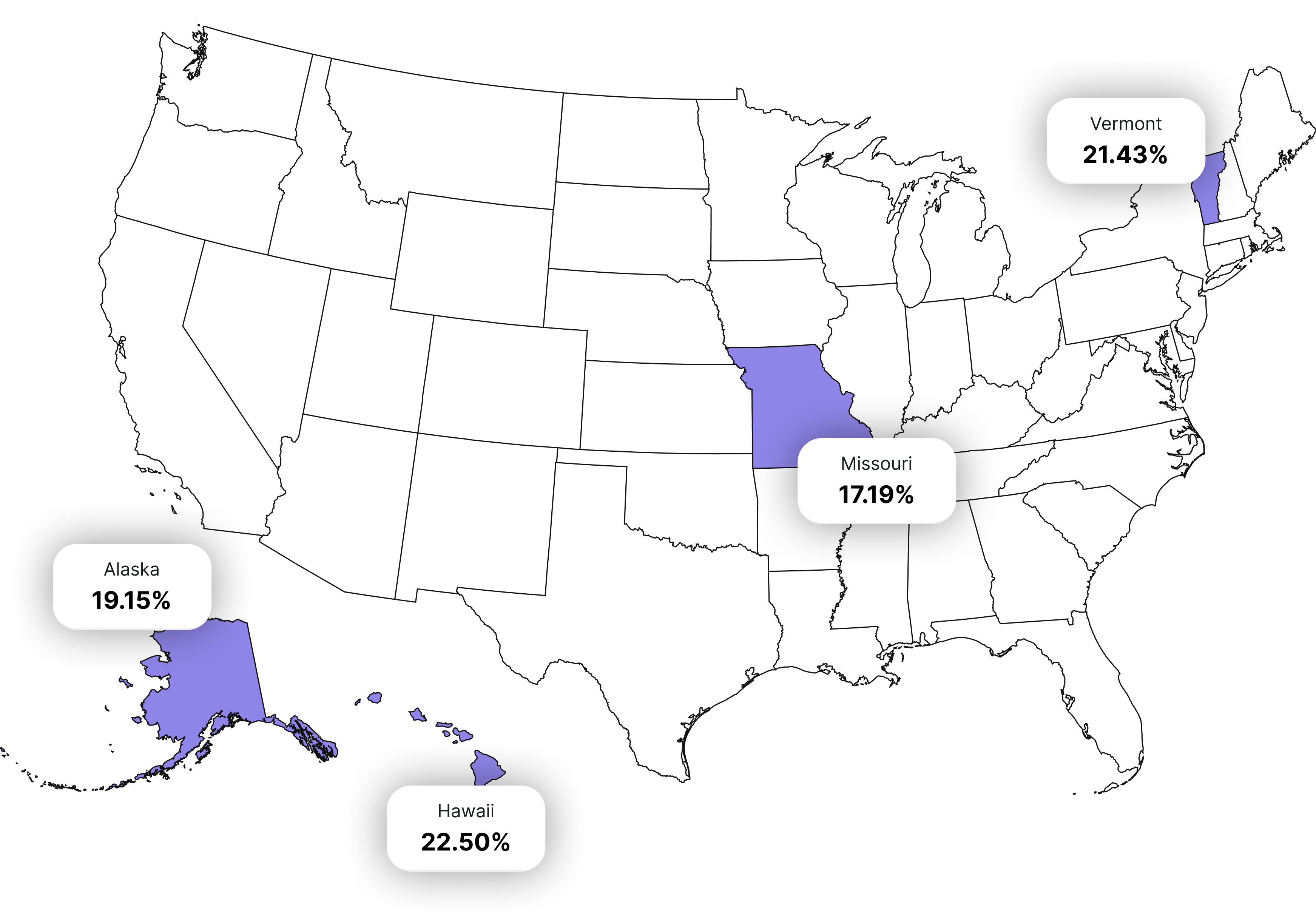
The 15+% CTR is the number worth pausing on. That is not a baseline result. It is what engagement looks like when the offer feels like part of the experience rather than an interruption to it.
Key Results
The first week established a strong baseline: high-intent clicks, meaningful earnings per transaction volume, and an early repeat-customer loop through gift-framed rewards.
Strategic Takeaways
Gift framing is product architecture, not positioning:
For brands where the purchase carries emotional significance, the post-purchase page should honor that moment. Not monetize it aggressively. The gift frame does both.
Brand-controlled curation is non-negotiable at the luxury tier:
One off-brand offer on a premium thank-you page undoes significant goodwill. Raphael used Pier39 AI's partner controls from day one. That discipline shows directly in a 15+% CTR.
Values-aligned customers engage with values-aligned offers:
Sam's Club, Mercy Ships, and AAA are not obvious luxury skincare adjacents. But all three share something with the Yon-Ka customer: they reward deliberate, considered choices.
The reward flywheel is just starting:
20% of customers who received the reward have already redeemed it. Each redemption cycle sends more customers back without a paid acquisition channel.
Operators who protect the experience get the best performance:
Raphael's insistence on getting the framing right before launch meant zero compromises on day one. The care shows in the numbers.
Post-Purchase Monetization For Premium Brands FAQ
What's Next?
The first week set a strong baseline. We are expanding the offer set to include additional wellness and premium lifestyle partners, continuing to optimize around the categories that have already proven themselves, and building out the store credit program as more customers complete full purchase cycles. Geo data, once confirmed, will open up targeted opportunities in the highest-engagement markets.
We are also deploying Nash, our 24/7 sales agent, directly on Yon-Ka's shopping experience. Nash works the consideration window in real time: it answers questions, handles hesitation, and closes carts that would otherwise go quiet. Shoppers Nash converts flow directly into the post-purchase gift experience. The full loop, from active shopper to closed cart to a reason to come back, runs without any manual lift on Raphael's end!
See NashWant to see how Pier39 AI can help your brand monetize every transaction, from checkout to renewal?
Visit pier39.ai or reach out at hello@pier39.ai.